

Frequently asked questions
Clear answers about warehouse planning, pallet rack, shelving, installation, safety and used equipment.
Better planning creates better storage.
Every facility and application is different. These answers provide useful starting points, but equipment capacities, code requirements and layouts should always be confirmed for the specific building, product and operating conditions.
Project planning & design
What to know before selecting equipment.
What information should I gather before requesting a quote?
Start with the building address, available floor area, clear ceiling height, column spacing, door locations and any obstructions. Also include product dimensions and weights, pallet type, desired storage quantity, lift-truck information and photos or drawings of the space. The more complete the information, the more accurately equipment and layout options can be evaluated.
How do I choose the right material handling system?
The right system depends on what you store, how frequently it moves, available space, inventory rotation, handling equipment and future growth. Selective pallet rack offers direct pallet access, while higher-density systems trade some selectivity for capacity. Shelving, cabinets, mezzanines and conveyors solve different workflow and storage needs.
Can you help design a warehouse layout?
Yes. Layout planning can address storage density, aisle widths, lift-truck travel, picking flow, receiving and shipping areas, safety clearances and expansion. A useful design balances capacity with practical daily operation rather than simply fitting the maximum amount of equipment into the building.
How are aisle widths determined?
Aisle width is based primarily on the lift truck, load dimensions, rack configuration and maneuvering clearance. Fire-code access, pedestrian paths, column locations and product overhang also matter. Confirm the required operating aisle with the lift-truck manufacturer before finalizing a layout.
Do you provide drawings for permits and installation?
Project documents may include equipment layouts, elevations, anchoring details and engineering information as required by the scope and local authority. Permit requirements vary by jurisdiction, equipment type, height, load and building conditions, so the required package should be established early.
Pallet rack
Capacity, compatibility and configuration.
How is pallet-rack capacity determined?
Beam capacity depends on the beam model, length, connector and load distribution. Frame capacity depends on upright design, frame depth, bracing, unsupported column length and the spacing of beam levels. Never rely on appearance alone; use manufacturer or engineer-approved capacity information for the complete configuration.
Can I mix rack components from different manufacturers?
Components that appear similar are not necessarily compatible. Connector geometry, steel properties, tolerances and capacity ratings can differ. Mixing manufacturers should only be considered after compatibility and structural performance have been properly verified.
What is the difference between selective, drive-in, push-back and pallet-flow rack?
Selective rack provides direct access to every pallet. Drive-in rack stores multiple pallets deep with fewer aisles. Push-back rack stores pallets on nested carts and is typically loaded and unloaded from one face. Pallet-flow rack uses sloped roller lanes for first-in, first-out movement. Product rotation, pallet quality, selectivity and throughput help determine the best choice.
Do pallet racks need to be anchored?
Industrial pallet rack is generally anchored to a suitable concrete slab according to the approved design, manufacturer requirements and applicable code. Anchor type, embedment and location are project-specific. Do not install anchors without checking slab conditions and the required engineering details.
What rack accessories may be required?
Common accessories include wire decking, pallet supports, row spacers, wall ties, column protectors, end-of-aisle guards, safety netting, backstops and load plaques. The correct accessories depend on the pallet, load, rack layout and risk assessment.
Shelving & industrial storage
Organizing parts, supplies and work areas.
What is the difference between shelving and pallet rack?
Shelving is normally designed for hand-loaded cartons, parts, records and supplies. Pallet rack is designed for palletized loads handled by lift equipment. Each has different capacities, dimensions and safety considerations, so pallet loads should not be placed on ordinary shelving.
When should I use open shelving, closed shelving or bins?
Open shelving provides visibility and access from multiple sides. Closed shelving helps separate and protect contents. Dividers, drawers and bins improve organization for smaller parts. Product size, security, dust control, picking method and inventory count determine the best configuration.
Can shelving be customized for my space?
Many systems can be configured with different heights, widths, depths, shelf spacing, dividers, drawers, doors and work surfaces. Modular systems can also make future reconfiguration easier as inventory and processes change.
When does a mezzanine make sense?
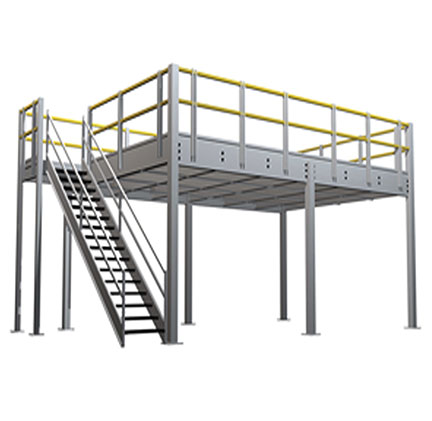
A mezzanine can add usable floor area when a facility has sufficient clear height and the operation would benefit from separating storage, offices or work processes vertically. Building structure, slab, egress, stairs, guards, fire protection, accessibility and permitting must all be evaluated.
Installation, relocation & permits
Moving from equipment plan to working system.
Why use a professional installation crew?
Correct installation affects alignment, anchoring, capacity and safe operation. Experienced crews follow approved drawings, identify field conflicts and coordinate the work around the facility. Complex systems may also require inspections, electrical work or specialized commissioning.
Can existing equipment be dismantled and relocated?
Often, yes. Equipment should be identified, inspected and documented before relocation. Damaged components should be removed from service, and the new configuration must be checked for compatibility, capacity, anchoring and code requirements at the destination.
Will my project require a permit?
Requirements vary by city and project. Rack height, storage height, seismic design, commodity type, sprinkler conditions, mezzanines and building modifications can trigger permits or engineering. The local authority having jurisdiction makes the final determination.
How long does a material handling project take?
Timing depends on design complexity, approvals, equipment availability, freight, site readiness and installation scope. Standard equipment may move quickly, while engineered systems and permitted projects take longer. Identifying decisions and site constraints early is the best way to protect the schedule.
Safety, inspection & maintenance
Keeping equipment in service responsibly.
How often should pallet rack be inspected?
Employees should report damage as soon as it is observed, with regular documented inspections performed at intervals appropriate to traffic, impacts and risk. High-activity areas may require more frequent review. A qualified person should evaluate questionable damage and determine the proper response.
What should I do when a rack upright or beam is damaged?
Protect the area and unload affected bays when damage may compromise capacity. Do not straighten, weld or field-repair structural components without an approved repair procedure. Have the damage evaluated and use an engineered repair or compatible replacement when required.
What information belongs on a rack load plaque?
Load signage commonly identifies maximum allowable unit loads, beam-level loads and rack configuration limitations. Capacity information must match the installed system. If beam elevations or components change, the capacity should be reviewed and signage updated.
How can rack damage be reduced?
Use appropriate aisle widths, operator training, good lighting, clear floors and properly sized pallets. Column guards, end-of-aisle barriers and rack protection can reduce exposure, but they do not replace inspection or careful lift-truck operation.
Used equipment, pricing & quotes
Buying available inventory with confidence.
Is used material handling equipment a good option?
Used equipment can be economical when the components are correctly identified, compatible, suitable for the application and in serviceable condition. Availability changes frequently, and cosmetic condition may vary. Structural components should be inspected before reuse.
Does used inventory shown online represent current stock?
The Used Equipment page is intended to display available Salt Lake City inventory synchronized from our business system. Quantities can change as material is sold or allocated, so final availability should be confirmed when requesting a quote.
Can I request several used items on one quote?
Yes. Add each desired item to the quote cart, adjust quantities and submit one request. Our team will confirm availability, compatibility, condition and pricing together.
What affects material handling equipment pricing?
Price depends on equipment type, dimensions, capacity, finish, quantity, accessories, engineering, freight and installation. Used-equipment condition and availability also matter. A complete project quote helps separate equipment, delivery and installation requirements.
What happens after I submit a quote request?
Your request is securely recorded with the originating page and submission time. A material handling specialist can then review the project details, confirm any missing information and prepare the appropriate next step.
Talk with a material handling specialist.
Send dimensions, photos, drawings or a description of what you need. We will help you identify the right next step.
