

Where Powered Roller Conveyor is used
Carton transport, order fulfillment, assembly, packing, accumulation and movement between work areas.
The powered roller conveyor is a leading choice for easy installation and high-performance use that is also low-maintenance, without the need for spare parts. These quiet conveyors provide zero pressure accumulation, in addition to run-on-demand conveying that detects product for lower energy use. Motorized conveyors are known for their speedy assistance in industrial operations, with speeds ranging from 20-200 FPM, they are superior in enhancing manufacturing, shipping and packaging, transportation and more. Although the powered conveyor is more costly than other types, a long-term reduction in downtime quickly pays for itself. Our motor driven conveyors come in various sizes, capacities, speeds and styles for optimizing the full advantages.
The powered roller conveyor is a leading choice for easy installation and high-performance use that is also low-maintenance, without the need for spare parts. These quiet conveyors provide zero pressure accumulation, in addition to run-on-demand conveying that detects product for lower energy use.
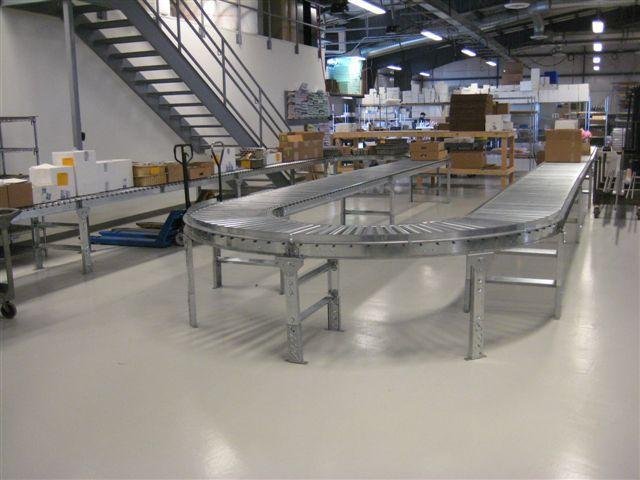 Completed projectsConveyor ProjectsView projects →
The powered roller conveyor is a leading choice for easy installation and high-performance use that is also low-maintenance, without the need for spare parts. These quiet conveyors provide zero pressure accumulation, in addition to run-on-demand conveying that detects product for lower energy use. Motorized conveyors are known for their speedy assistance in industrial operations, with speeds ranging from 20-200 FPM, they are superior in enhancing manufacturing, shipping and packaging, transportation and more. Although the powered conveyor is more costly than other types, a long-term reduction in downtime quickly pays for itself. Our motor driven conveyors come in various sizes, capacities, speeds and styles for optimizing the full advantages.
Carton transport, order fulfillment, assembly, packing, accumulation and movement between work areas.
Follow the manufacturer maintenance schedule and inspect rollers, belts, chains, guards, controls and emergency stops before problems interrupt production.
Review the main equipment types without working through a long category tree. A specialist can help narrow configurations and quote the complete project.
These resources support the decision. Your project plan and quote remain the next step.
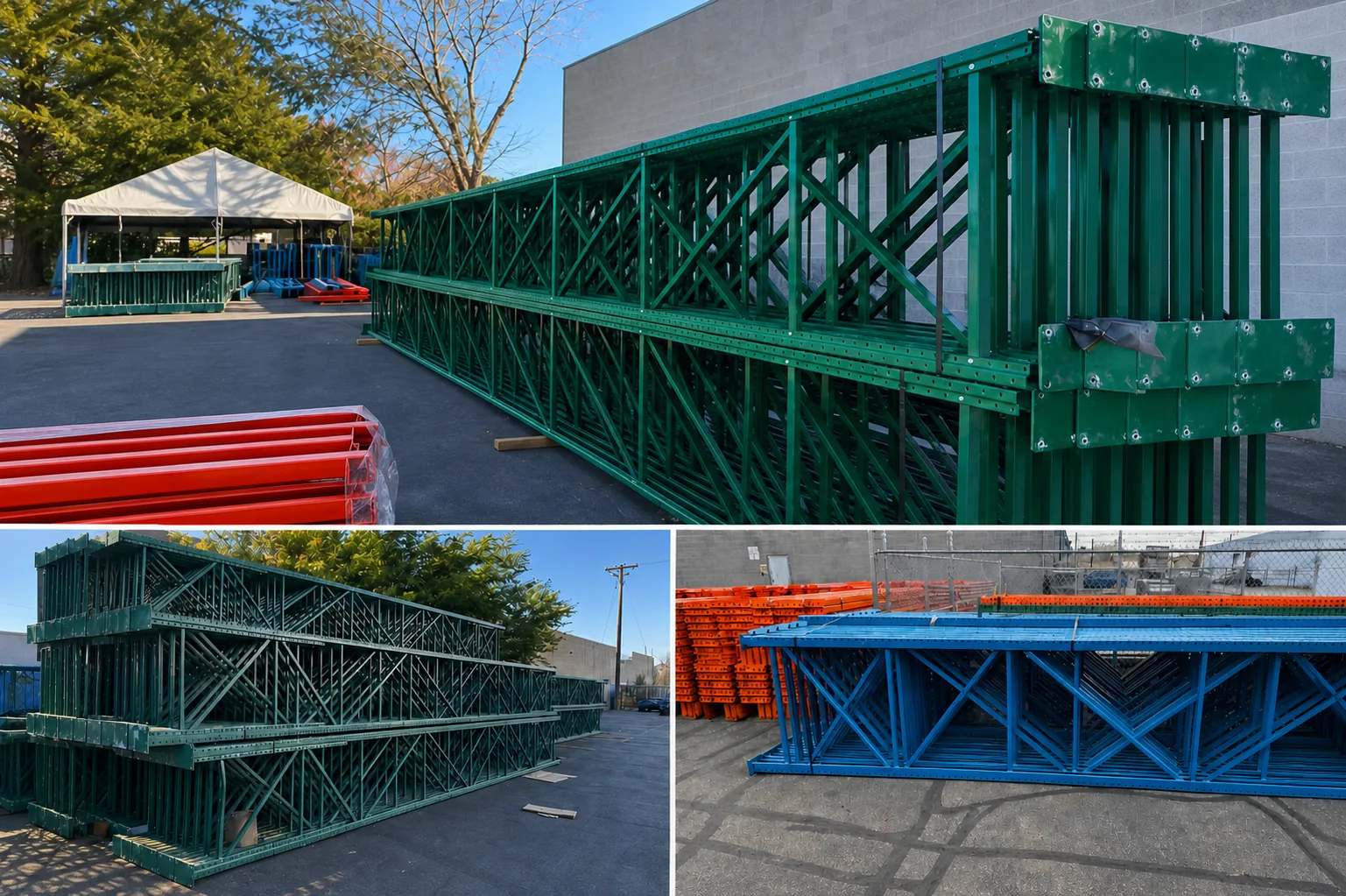 Current Salt Lake City inventoryShop used conveyor
Availability changes regularly. Used equipment can support budgets, expansions and replacement needs.
View current inventory → Project planningPlan a conveyor project
Share the product, rate, path and accumulation requirements so our team can help plan the system.
Start planning →These answers provide a starting point. Final equipment, capacity, layout and installation requirements must be confirmed for the specific facility and application.
Start with the building address, available floor area, clear ceiling height, column spacing, door locations and obstructions. Also include product dimensions and weights, desired storage quantity, handling-equipment information and photos or drawings of the space.
The right system depends on what you store, how frequently it moves, available space, inventory rotation, handling equipment and future growth.
Correct installation affects alignment, anchoring, capacity and safe operation. Experienced crews follow approved drawings, identify field conflicts and coordinate the work around the facility.
Share the application, dimensions, quantities or timing you know. A specialist will follow up to help define the right solution and quote.
Tell us about your interest in Powered Roller Conveyor. Our material handling team will follow up.
Contact our team and we will help source the right equipment for your application.
Contact a Specialist